©Thibault Poriel

The Peniti Chapel

The Peniti site

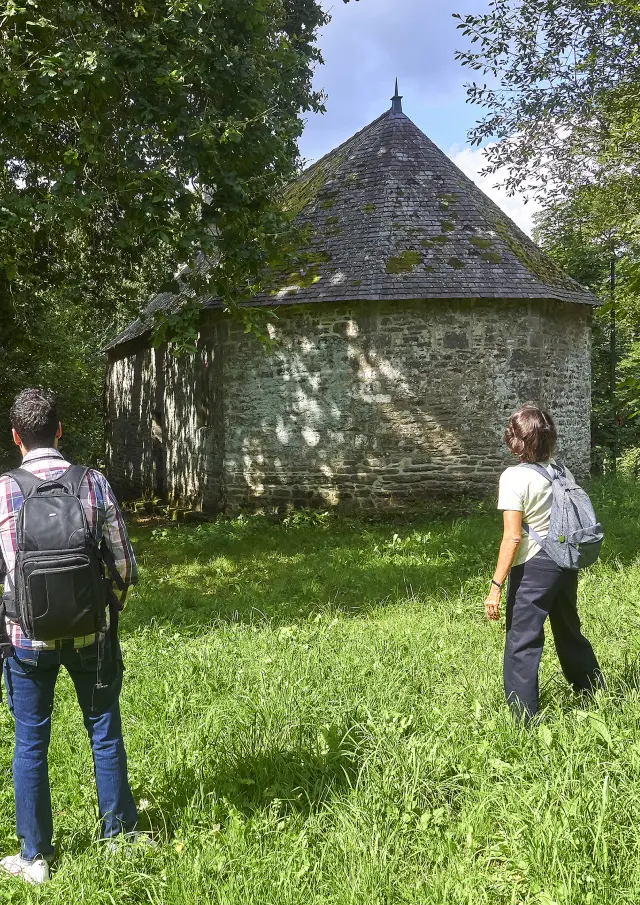
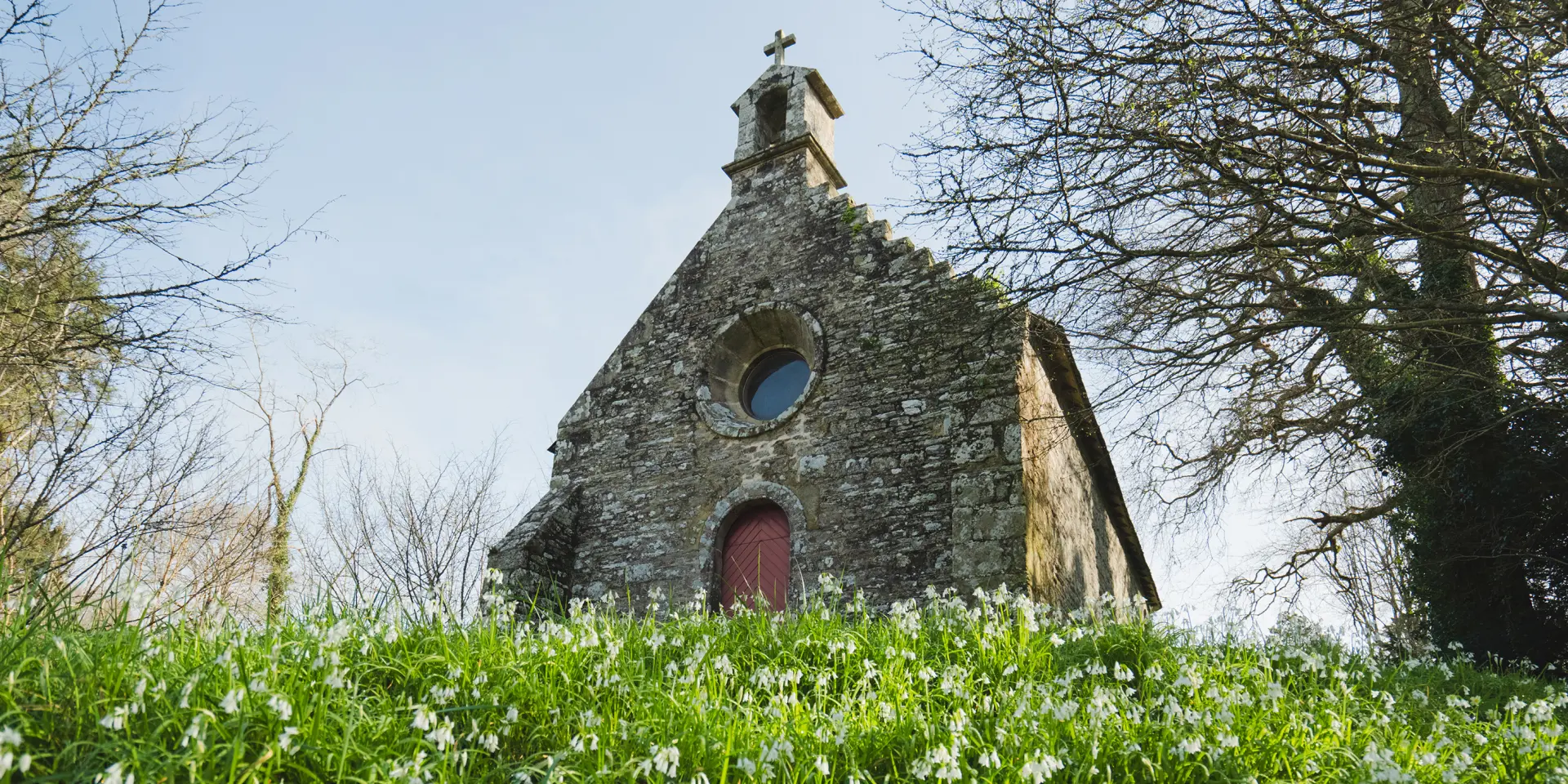
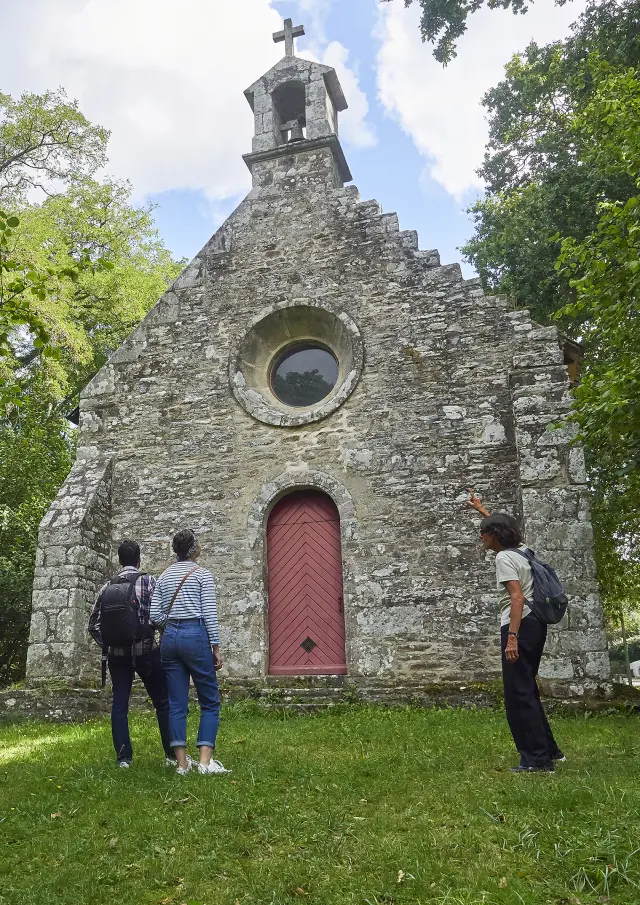
The chapel of Saint-Maudez or Peniti (penitence) was built in the 18th century. Like many chapels in the region, this rectangular structure with a canted chevet is built at the top of an escarpment.

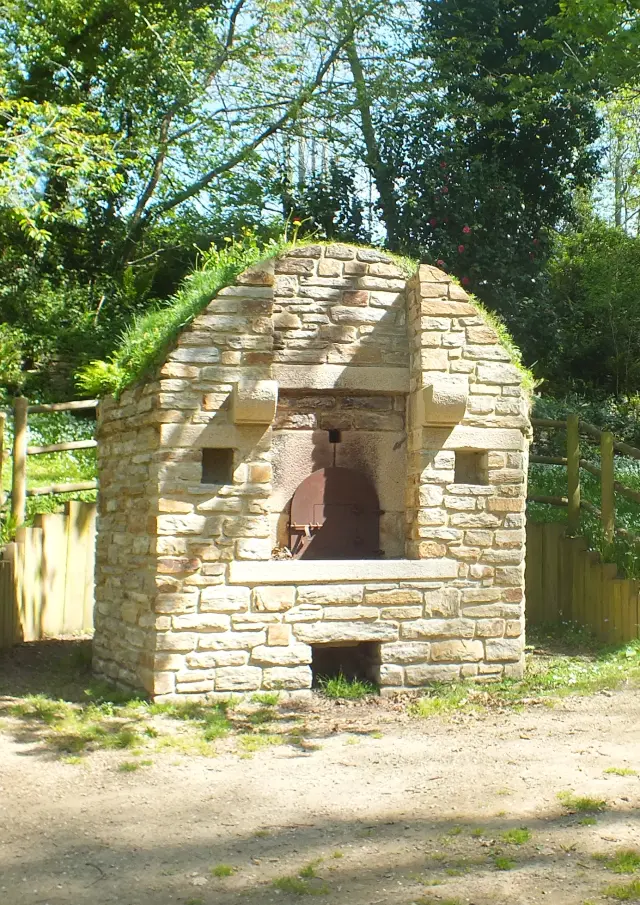
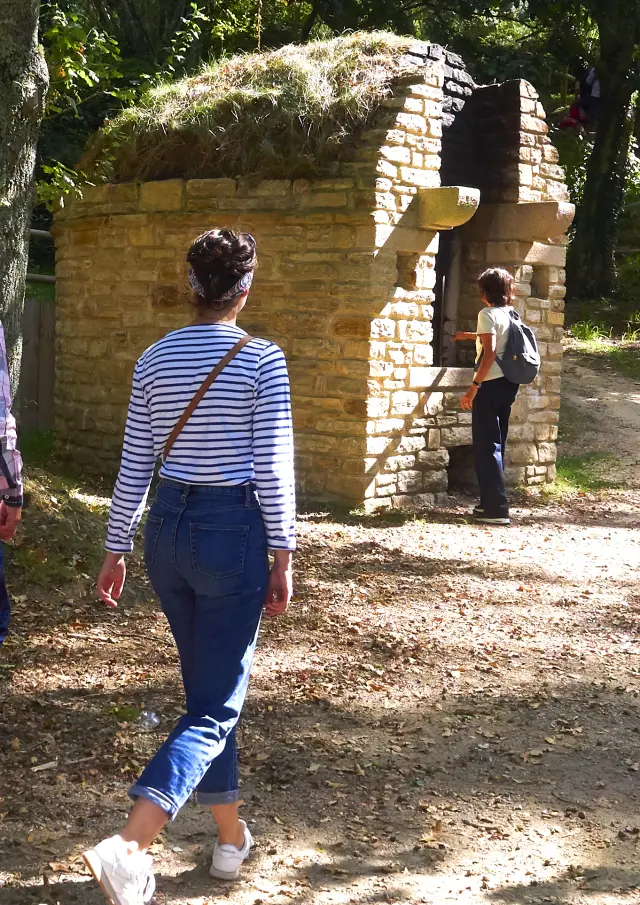
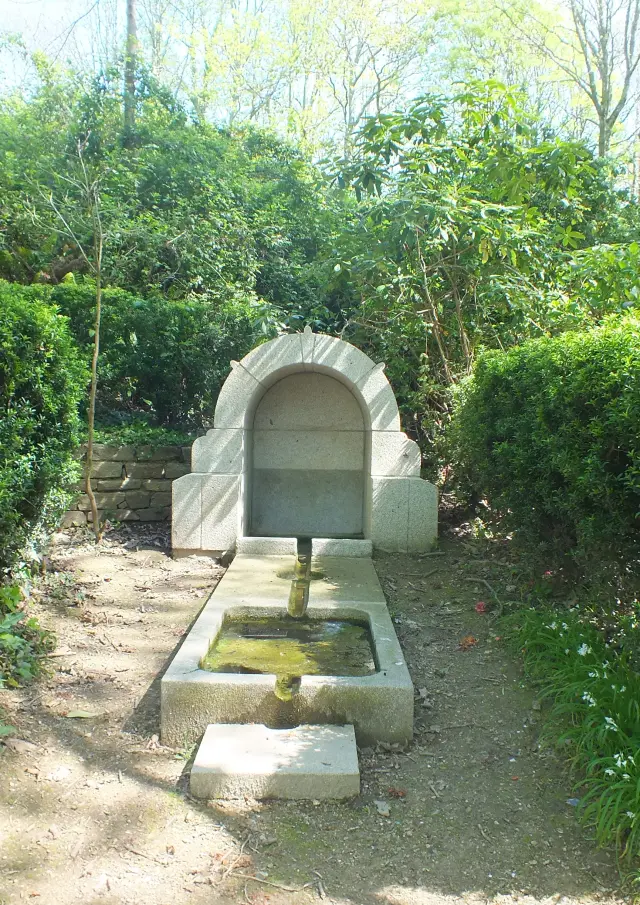
A bread oven and a fountain have been rebuilt in the same style as the chapel . The water from the fountain was said to help children walk.

The Peniti chapel

Known as the chapel of Saint-Maudez or Peniti (penitence), it was built in the 18th century. Like many chapels in the region, this rectangular structure with a canted chevet is built at the top of an escarpment.

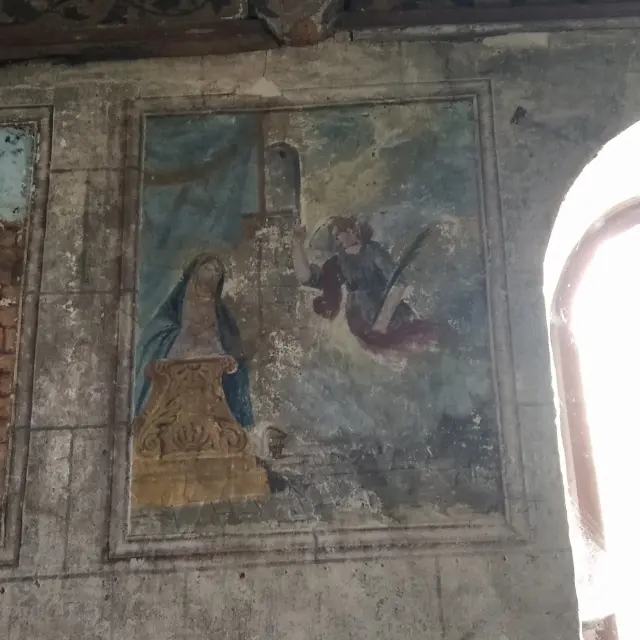
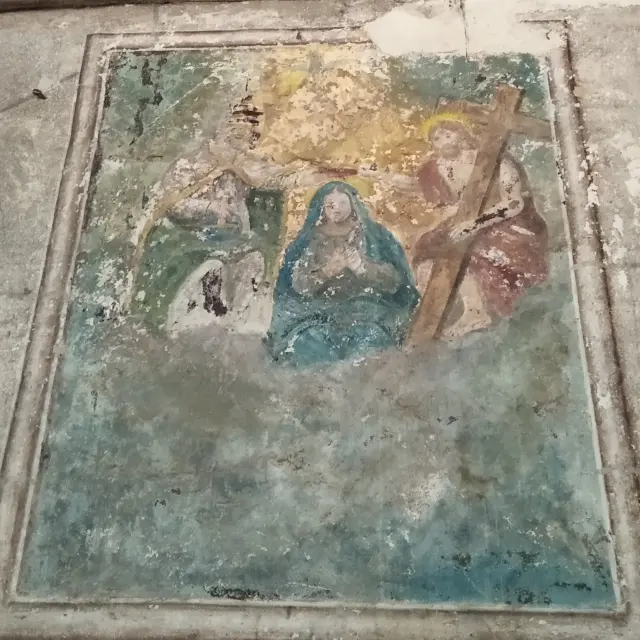
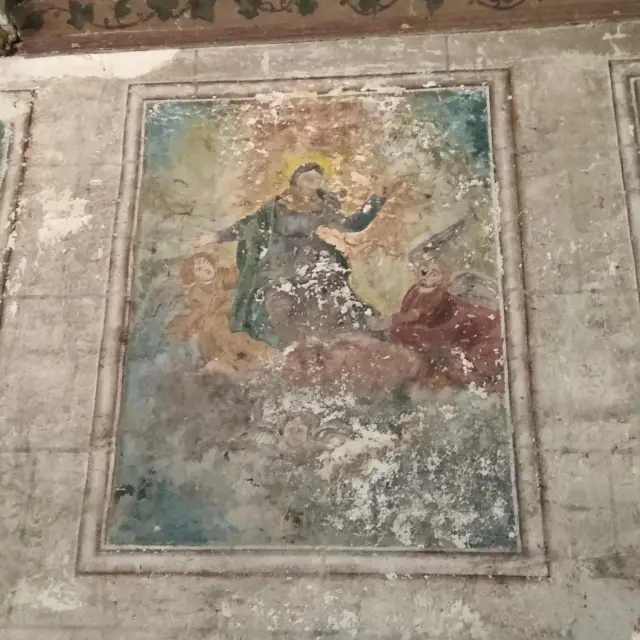
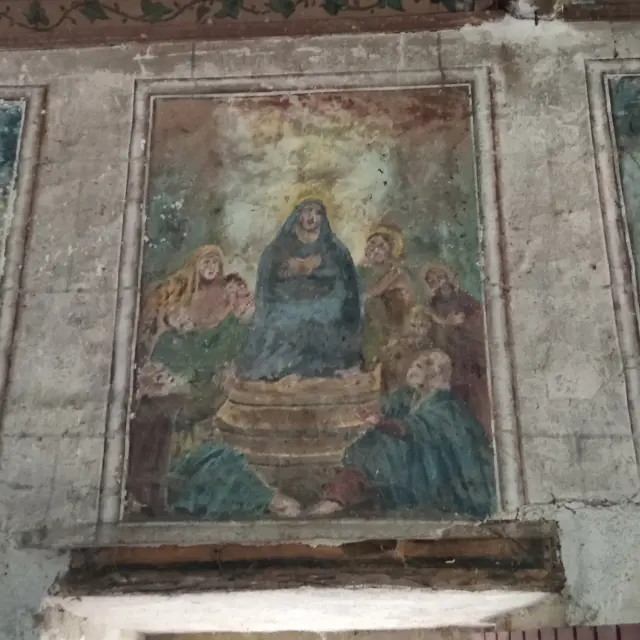
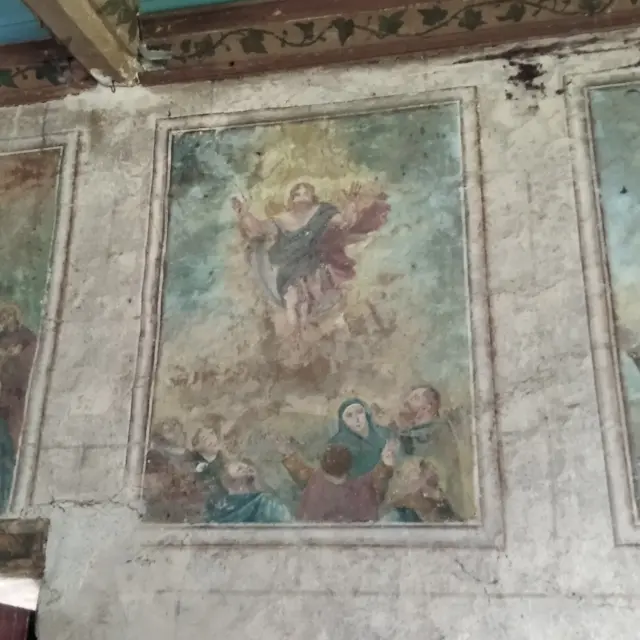
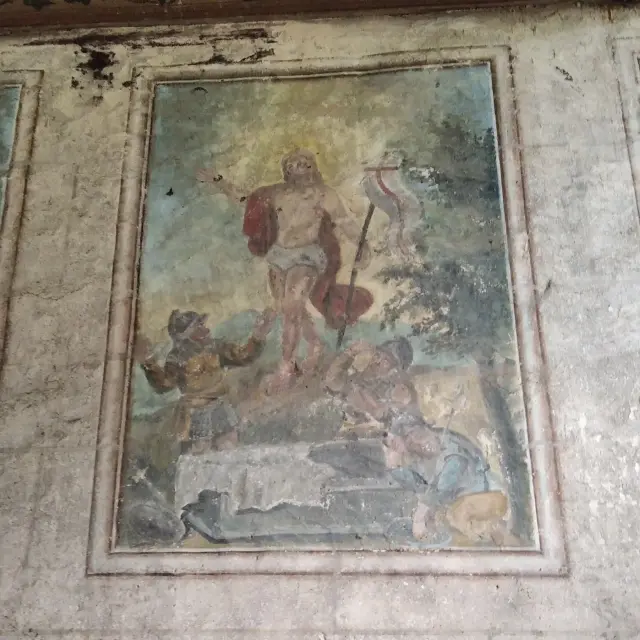
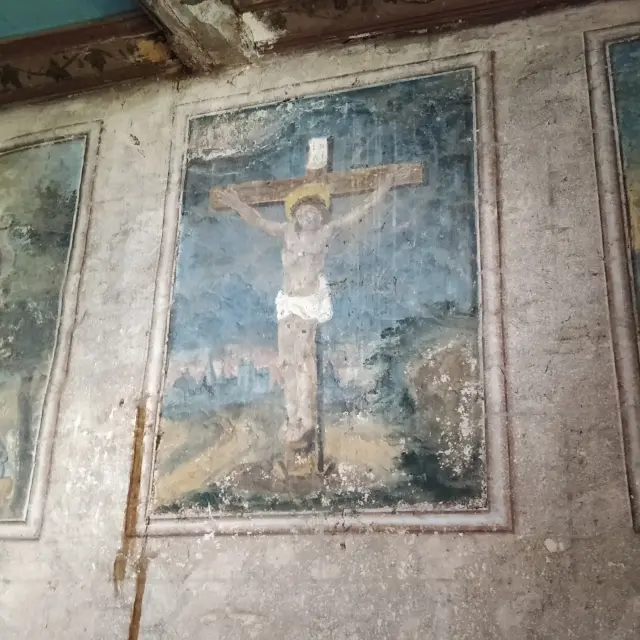
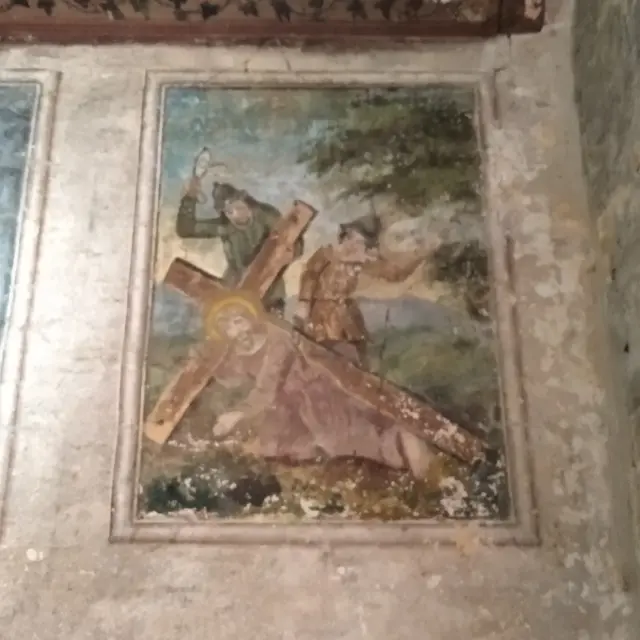
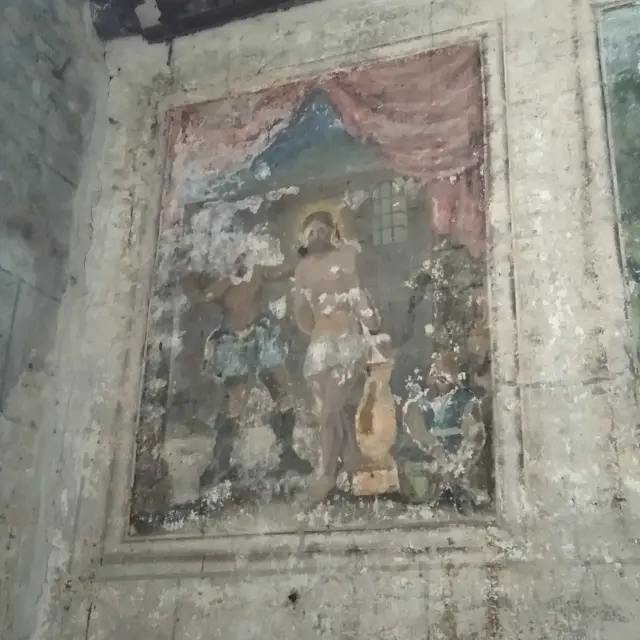
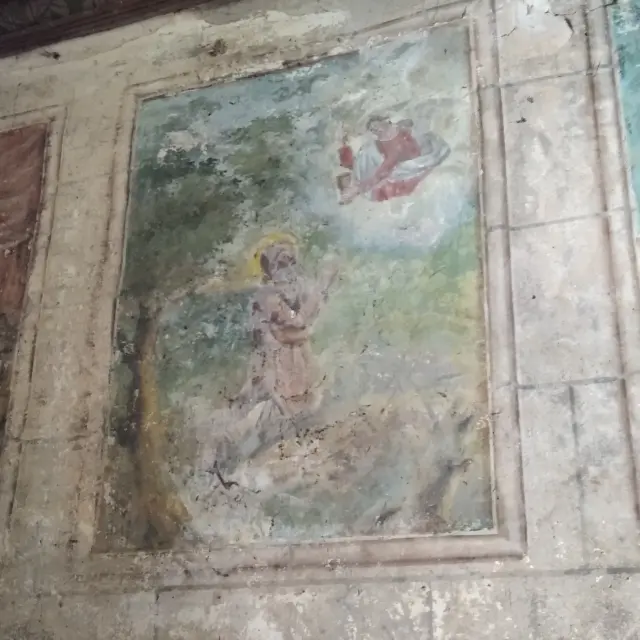
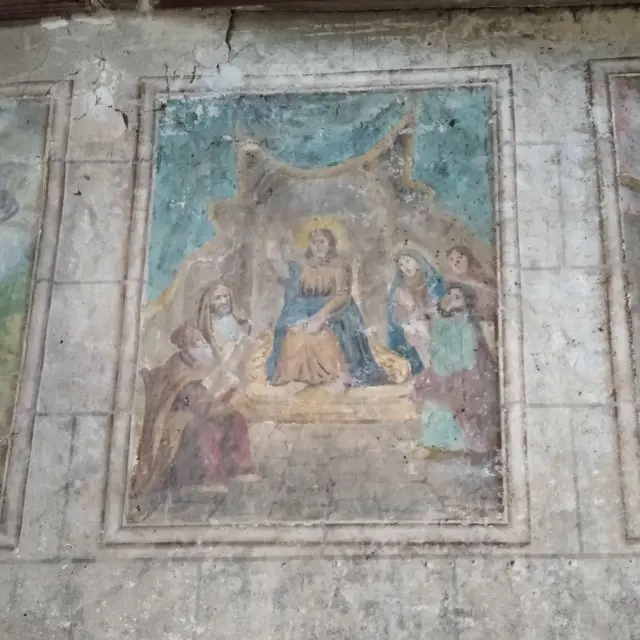
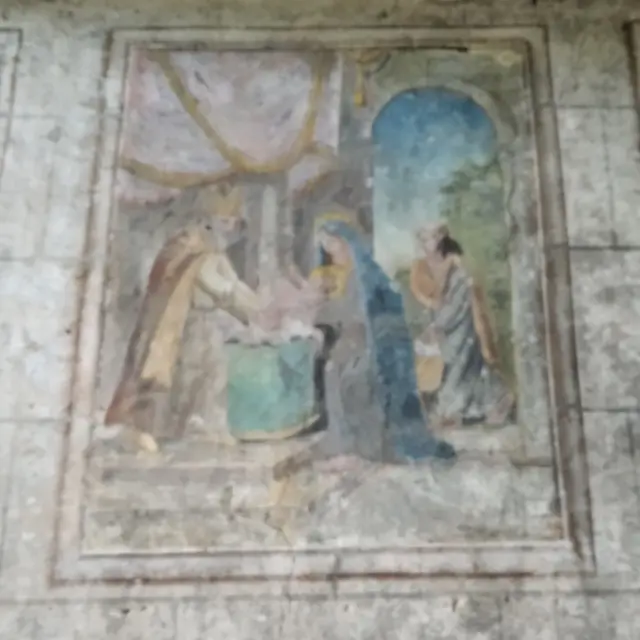
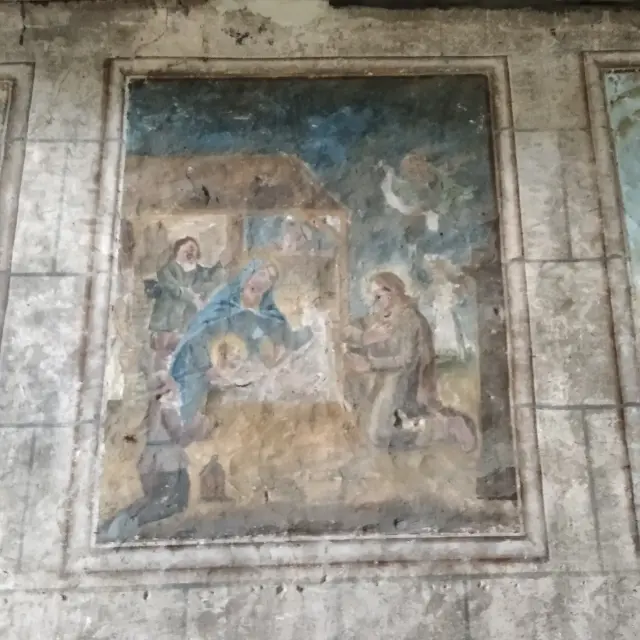
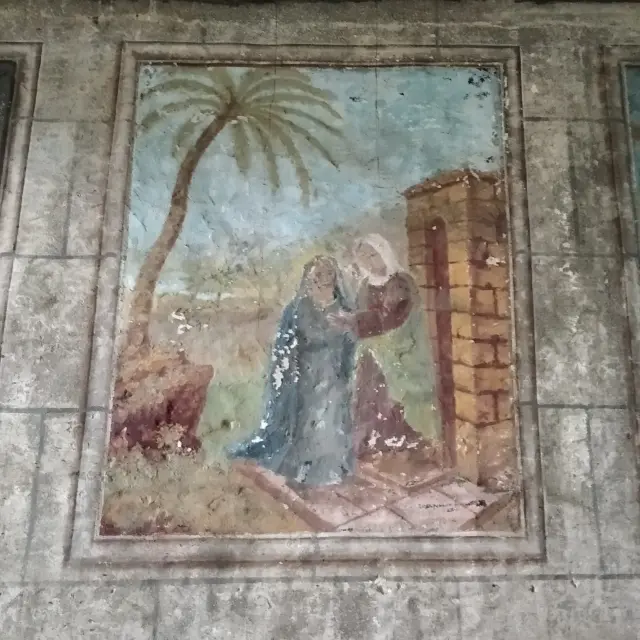
Inside, 14 frescoes depict 3 Rosary beads. They were painted by Victoire Conen de Saint-Luc, a nun who was guillotined in 1794 at the age of 33.

⚠️ The chapel is private and closed to the public.
The frescoes by Victoire Conen de Saint Luc

The 14 frescoes represent the 3 Rosary beads. On the wall to the left of the entrance, starting at the back:

  • The Joyful Mysteries
  1. The Annunciation of the Angel Gabriel to the Virgin Mary
  2. The Visitation: the Virgin Mary’s visit to her cousin Elizabeth
  3. The Nativity: the birth of Jesus in the cave of Bethlehem
  4. The Presentation of Jesus in the Temple
  5. The Recovering of Jesus in the Temple
  • The Sorrowful Mysteries
  1. The agony of Jesus in Gethsemane
  2. The scourging of Jesus (Priori the Coronation of Thorns is not represented)
  3. The carrying of the Cross
  4. Jesus is crucified and dies on the Cross.
  • The Glorious Mysteries :
  1. The Resurrection of Jesus
  2. The Ascension of the Lord into heaven
  3. The descent of the Holy Spirit into the Upper Room
  4. The Assumption of Mary into Heaven
  5. Mary is crowned Queen of heaven and earth.

⚠️ Chapel closed to the public, frescoes not visible.

The bread oven

At the heart of the Peniti site, the bread oven bears witness to an ancestral way of life deeply rooted in local history.

Carefully restored using traditional techniques, the Peniti bread oven is now a remarkable part of the local heritage. It embodies the collective memory, the know-how of yesteryear and the importance of social ties in the Breton countryside.

The baker’s oven is occasionally brought back into use for local events and activities, returning it to its original purpose: to bring young and old together around the fire, bread and the passing on of traditions.

The Peniti fountain

The Peniti fountain in La Forêt-Fouesnant has been restored to its original condition and is fed by a natural spring. According to local tradition, its water was said to help children walk. A testament to Breton heritage and popular beliefs, today it remains a peaceful place steeped in memory.

The green theatre of Peniti

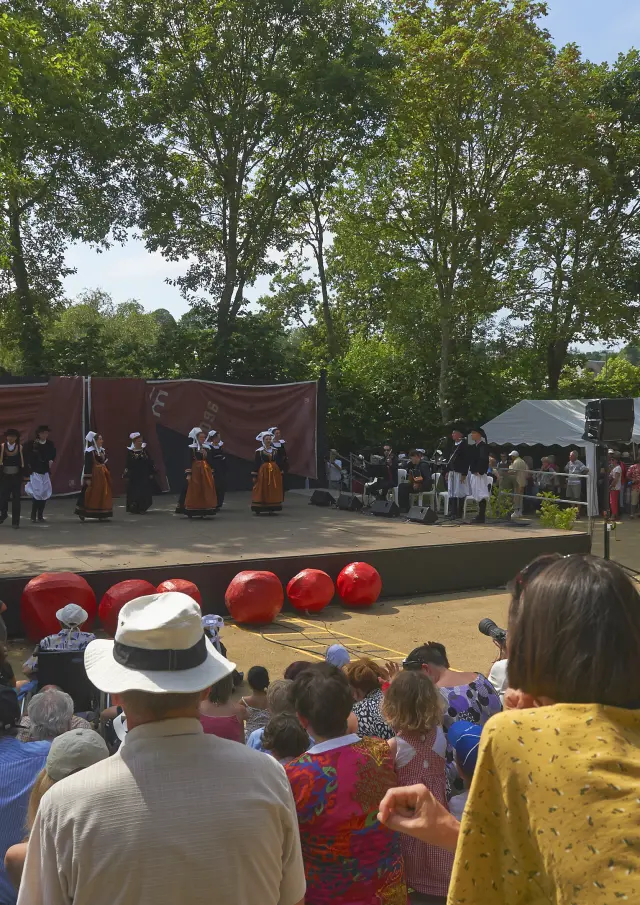
An essential part of forest life, the Théâtre de Verdure de Peniti hosts a variety of events, mainly in fine weather. Renowned groups such as Bagad Kemper, Red Cardell and Les Eostiged Ar Stangala have performed and continue to perform here every year.

Video of Peniti

The events on offer include

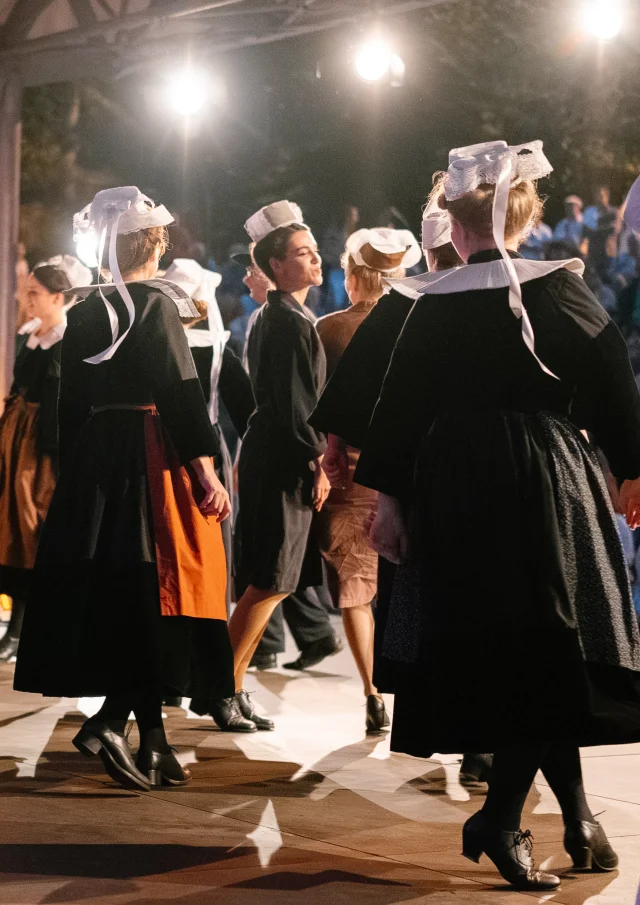
  • Les Nuits Celtiques de Peniti. Celtic music and dance performances. Every Wednesday in July and August, at 9pm. Free admission.
  • Jazz in the Forest. Jazz concerts in July. Free admission.
  • Aux Rythmes du Monde. World music concert in August. Free admission.
  • Cherry Festival. Traditional Breton festival.